
Supply Chain Logistics
A single plan from supplier to end customer.
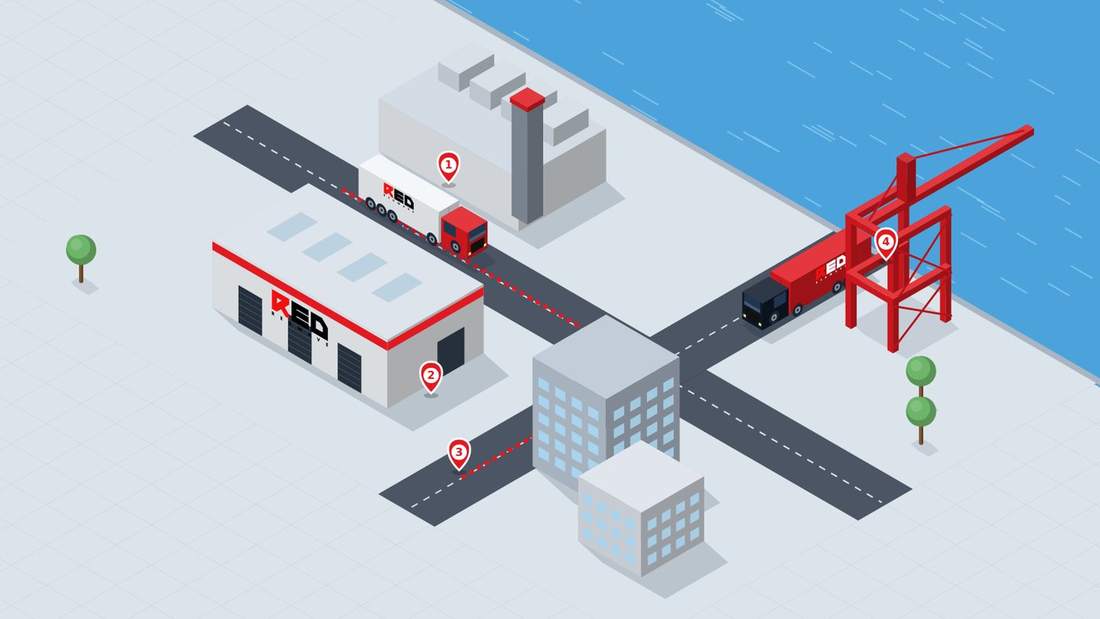
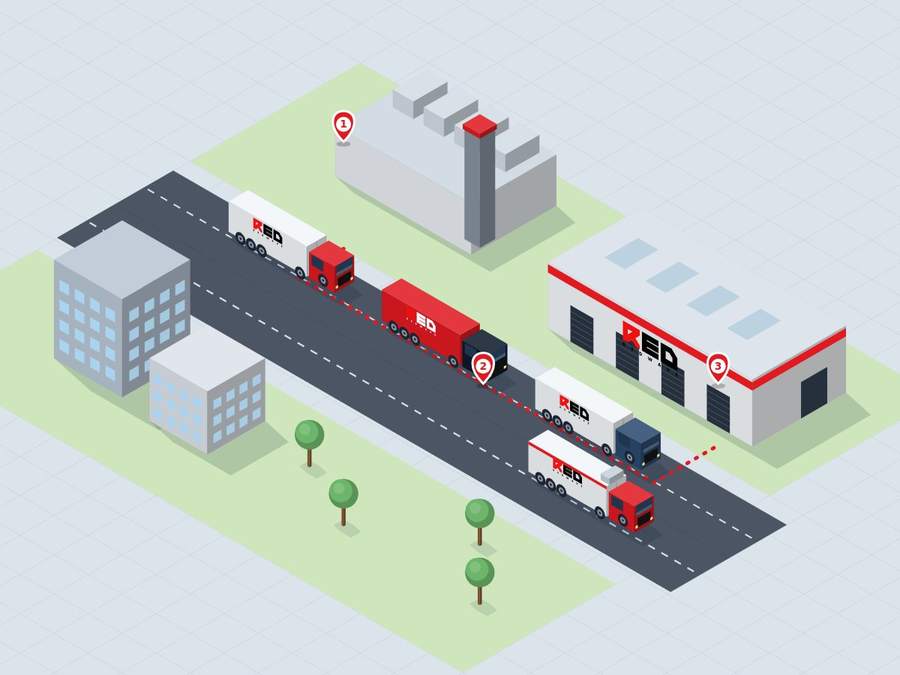
A shipment rarely stands alone — it's one link in a chain that runs from supplier through customs, storage and distribution to the end customer. We plan that chain as a whole, aligning procurement timing, transport mode and warehousing so cargo arrives when it's needed rather than when it happens to clear.
This coordination reduces the gaps where cargo sits idle between stages.
What's included
- End-to-end route and mode planning
- Inventory positioning and lead-time management
- Vendor and carrier coordination
- Visibility across each stage of the chain
How supply chain planning works
- 01
Map the chain
Suppliers, routes, storage points and end customers.
- 02
Plan modes and timing
Transport mode and lead times aligned with procurement.
- 03
Position inventory
Stock held where it shortens the next move.
- 04
Coordinate the chain
Vendors and carriers coordinated, with status at each stage.
What we need from you
- Suppliers and countries of origin
- Volumes and current lead times
- Destinations and delivery patterns
- Where cargo is waiting today
Common questions
How is this different from freight forwarding?
Freight forwarding moves a shipment. Supply chain planning aligns procurement, transport and storage across many shipments.
What is the main benefit?
Fewer gaps where cargo sits idle between stages, so it arrives when it's needed.
Do you coordinate suppliers and carriers?
Yes. Vendor and carrier coordination is part of the service.